| CAS No. | 7782-44-7 |
| UN No. | 1072 |
| EINECS No. | 231-956-9 |
| Molecular weight | 32 |
| Appearance | colourless, odourless |
| Melting point | -218.4 ℃ |
| Boiling point | -183 ℃ |
| Density | 1.429g/L |
| DOT Class | 2.2 & 5.1 |
| Label | Non-toxic and non-flammable Gas, Oxidizing Agent |
Oxygen is a colorless, odorless reactive gas that sustains life in the air. It makes up only 21% of the Earth's atmosphere and is the most abundant element in the Earth's crust, mainly in the form of oxides, silicates and carbonates.
In addition to being used as a breathing gas for healthcare applications, oxygen has strong oxidizing properties that can benefit many industries by increasing yield, optimizing performance, reducing costs and reducing carbon footprint compared to other fuels. Oxygen-enriched or replacement air also increases the efficiency of chemical and biological processes.
Applications that use oxygen include combustion, oxidation, fermentation, wastewater treatment, and aquaculture. Oxygen can also be used in metal cutting, welding, cleaning, hardening, cleaning and melting applications when combined with flammable gases or argon (Ar) and carbon dioxide (CO₂). In the food industry, oxygen is used to maintain the fresh, natural color of red meat.
Industrial oxygen can be produced through different air-separation technologies. The selected process depends on the required purity, production scale, supply form and end-use requirements.
Atmospheric air is drawn into the production system and passed through filtration equipment to remove dust, particles and other physical contaminants.
Stable air intake quality helps protect downstream compressors, adsorption units and separation equipment.
The filtered air is compressed to the operating pressure required by the separation process.
Compression systems must be properly maintained to reduce the risk of oil, moisture or particulate contamination entering the oxygen production stream.
Before separation, moisture, carbon dioxide and selected trace contaminants are removed from the compressed air.
This treatment is especially important for cryogenic air separation because moisture and carbon dioxide may freeze at low temperatures and restrict the process equipment.
Depending on the facility and required oxygen grade, oxygen may be separated using one of the following technologies.
Cryogenic air separation cools compressed and purified air to extremely low temperatures, liquefies the air and separates oxygen, nitrogen and argon according to their different boiling characteristics.
This process is commonly suitable for:
Large-volume oxygen production
High-purity oxygen requirements
Liquid oxygen production
Continuous industrial supply
Integrated oxygen, nitrogen and argon production
Pressure swing adsorption, commonly known as PSA, uses molecular sieve materials to preferentially adsorb nitrogen while allowing an oxygen-enriched gas stream to pass through.
PSA systems are commonly considered for:
On-site oxygen generation
Moderate oxygen-purity requirements
Wastewater treatment
Aquaculture
Ozone generation
Glass and combustion applications
Sites seeking reduced cylinder handling
VPSA systems use pressure and vacuum cycles to improve the efficiency of oxygen separation at larger flow rates.
They may be suitable for facilities requiring continuous on-site oxygen supply but not necessarily the higher purity normally associated with cryogenic separation.
After oxygen separation, the gas may undergo additional purification according to the required grade.
Controlled impurities may include:
Moisture
Nitrogen
Argon
Carbon dioxide
Carbon monoxide
Total hydrocarbons
Oil contamination
Particulate matter
Customer-specified trace impurities
The testing scope should be agreed before production when the oxygen is intended for high-purity, food-processing or sensitive manufacturing applications.
Finished gaseous oxygen is compressed and transferred to suitable storage vessels or filling systems.
All compressors, piping, valves, seals and lubricants used in oxygen service must be selected and maintained for oxygen compatibility.
Before filling, cylinders are inspected according to the applicable cylinder management procedure.
Cylinder preparation may include:
Cylinder identification
External condition inspection
Test-date verification
Valve inspection
Residual gas identification
Internal cleanliness assessment
Drying and evacuation
Odor and contamination checks
Confirmation of the required valve outlet
Oil, grease and combustible contaminants must not be introduced into oxygen cylinders, valves, regulators or filling equipment.
Oxygen cylinders are filled through controlled gas-filling equipment.
During filling, operators may monitor:
Filling pressure
Cylinder temperature
Filling rate
Cylinder identification
Batch information
Valve condition
Final gas quantity
Cylinder temperature and pressure must remain within the permitted filling parameters.
After filling, valves and connection points are checked for leakage.
The cylinder is then fitted with the required valve protection, product label and shipping marks before release.
Finished oxygen may be analyzed according to the agreed product specification.
A batch release process can include:
Purity verification
Moisture testing
Hydrocarbon testing
Impurity analysis
Cylinder pressure confirmation
Leakage inspection
Label verification
Documentation review
Testing items and analytical methods should be confirmed according to the purchased oxygen grade.
Oxygen is widely used in oxy-fuel cutting processes for carbon steel and low-alloy steel.
The process first heats the metal to its ignition temperature. A high-purity oxygen jet then reacts with the heated metal and removes the resulting oxides from the cut.
Industrial oxygen can be used for:
Steel plate cutting
Steel structure fabrication
Scrap metal processing
Shipbuilding
Pressure-vessel production
Pipeline fabrication
Construction machinery
Metal recycling
Maintenance workshops
Automated CNC cutting systems
For cutting applications, oxygen purity and pressure stability directly affect cutting speed, edge quality, slag formation and gas consumption.
Buyers should provide the required working pressure, peak flow rate, cutting thickness and number of simultaneous cutting stations.
When combined with an appropriate fuel gas, oxygen produces a high-temperature flame suitable for:
Oxy-fuel welding
Brazing
Preheating
Flame straightening
Surface treatment
Thermal cutting
Metal repair
Localized heating
Gouging and scarfing processes
Fuel gases may include acetylene, propane or other approved combustible gases.
Oxygen and fuel-gas systems must use separate compatible regulators, hoses, flashback arrestors and non-return valves.
Oxygen cylinders must also be separated from fuel-gas cylinders and combustible materials during storage. OSHA requires a separation distance of at least 20 feet, or an approved non-combustible barrier under the specified conditions.
Oxygen is used in steelmaking to react with carbon, silicon, phosphorus and other elements in molten metal.
Typical applications include:
Basic oxygen furnaces
Electric arc furnaces
Ladle refining
Furnace lancing
Scrap melting
Steel reheating
Burner enrichment
Slag control
Continuous casting support
Oxygen enrichment can help increase furnace productivity, improve combustion intensity and reduce the amount of inert nitrogen introduced with atmospheric air.
Actual energy savings, productivity improvement and emissions performance depend on the furnace design, fuel, operating method and exhaust-gas control system.
Steel plants normally require a continuous oxygen supply with controlled pressure, flow and purity. Cryogenic liquid oxygen storage, pipelines or on-site production may therefore be more suitable than individual cylinders.
Industrial oxygen may be used in foundries and non-ferrous metal operations to improve furnace combustion and melting performance.
Applications can include:
Cupola furnaces
Rotary furnaces
Copper processing
Lead processing
Aluminum recycling
Precious-metal refining
Furnace oxygen lancing
Oxy-fuel burners
Process evaluation should consider oxidation losses, product chemistry, furnace refractories and exhaust-gas conditions.
Oxygen-enriched combustion and oxy-fuel firing can be used in glass melting furnaces.
Potential applications include:
Container glass
Flat glass
Fiberglass
Specialty glass
Glass recycling
Glass finishing
Forehearth heating
Replacing part or all of the combustion air with oxygen reduces the amount of nitrogen entering the furnace.
This may improve flame temperature, heat transfer and furnace capacity. However, burner design, refractory condition, furnace pressure and exhaust-gas composition must be considered before conversion.
Oxygen is used as an oxidizing reactant in many chemical production processes.
Typical applications include:
Oxidation reactions
Synthesis-gas production
Sulfur recovery
Ethylene oxide production
Propylene oxide processing
Hydrogen peroxide production
Nitric acid production
Ozone generation
Catalyst regeneration
Process intensification
Chemical plants should define the required purity, hydrocarbon limits, flow range and process pressure.
Oxygen-contact equipment must be designed for oxygen service and assessed for ignition risks, material compatibility and contamination.
Industrial oxygen can be used in pulp and paper processing for:
Oxygen delignification
Bleaching-stage support
Lime-kiln enrichment
Black-liquor oxidation
Wastewater treatment
Ozone generation
Oxygen-based process stages may help mills reduce the use of selected bleaching chemicals and improve process efficiency.
Results depend on pulp type, mill configuration, chemical balance and treatment objectives.
Oxygen can be introduced into biological wastewater-treatment systems to increase dissolved oxygen and support aerobic microorganisms.
Common applications include:
Municipal wastewater treatment
Industrial wastewater treatment
High-load biological treatment
Activated-sludge systems
Emergency oxygenation
Odor control
Biochemical oxygen demand reduction
Temporary treatment-capacity expansion
Compared with air, oxygen introduces less nitrogen into the treatment basin and can provide a higher oxygen-transfer driving force.
A complete oxygenation system may include:
Oxygen source
Storage or generation equipment
Pressure-reduction system
Flow-control equipment
Diffusers or injectors
Dissolved-oxygen monitoring
Ventilation
Safety alarms
The appropriate system depends on wastewater flow, biological load, basin depth and target dissolved-oxygen level.
Oxygen is used in aquaculture to maintain dissolved-oxygen levels in tanks, ponds, raceways and recirculating aquaculture systems.
Applications include:
Fish farming
Shrimp farming
Hatcheries
Recirculating aquaculture systems
Live-fish transport
Emergency oxygen supply
High-density stocking systems
Oxygen cones and low-head oxygenators
Stable oxygen availability may support higher stocking density, feeding performance and animal survival.
System design should account for biomass, water temperature, salinity, feeding rate, emergency reserve and the maximum expected oxygen demand.
Oxygen-enriched combustion may be applied to boilers, kilns, incinerators and industrial furnaces.
Potential benefits can include:
Higher flame temperature
Improved heat transfer
Increased production capacity
Reduced flue-gas volume
Improved combustion stability
Better processing of low-calorific-value fuels
These outcomes are application-dependent. An engineering assessment should be completed before adding oxygen to an existing combustion system.
Oxygen enrichment may be used in:
Cement kilns
Lime kilns
Mineral-roasting furnaces
Ceramic kilns
Waste-fuel combustion systems
High-temperature calcination
Buyers should evaluate burner compatibility, kiln atmosphere, refractory limits and emissions-control capacity.
Oxygen can be used as the feed gas for ozone generators.
Compared with untreated air, a dry oxygen feed can support higher ozone concentration and reduce the amount of nitrogen introduced into the ozone-generation system.
Applications include:
Drinking-water treatment
Wastewater treatment
Industrial oxidation
Pulp bleaching
Food-processing sanitation systems
Aquaculture water treatment
The oxygen supply should meet the ozone-generator manufacturer’s requirements for purity, pressure, flow and dew point.
Food-grade oxygen may be used in selected controlled food-processing and modified-atmosphere packaging applications.
One recognized application is maintaining the bright red appearance of certain fresh red-meat products in high-oxygen packaging systems.
However, oxygen concentration must be designed as part of the complete food-safety and shelf-life system. Oxygen can also promote oxidation, microbial changes and quality deterioration in other foods.
Food-processing customers should confirm:
Food-grade qualification
Permitted local use
Packaging-gas composition
Product shelf-life validation
Hygiene requirements
Gas traceability
Microbiological risk controls
Industrial oxygen should not automatically be marketed as food grade without the required production controls and documentation.
Individual cylinders are suitable for:
Intermittent consumption
Maintenance workshops
Small cutting stations
Laboratories
Mobile operations
Backup supply
Low daily demand
Available cylinder capacity, filling pressure, valve type and ownership arrangement should be confirmed before ordering.
Cylinder bundles connect multiple oxygen cylinders into one transportable frame.
They can provide:
Higher gas capacity
Fewer cylinder changes
Centralized connection
More stable supply
Reduced manual handling
Bundles are suitable for fabrication plants, production lines and customers whose demand exceeds individual-cylinder capacity but does not justify a bulk tank.
To consult or purchase oxygen, please contact oxygen gas supplier.
Oxygen is a colorless, odorless gas and the most widely distributed element in nature, accounting for 48.6% of the mass of the earth's crust.

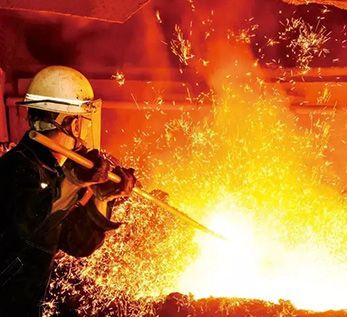
Smelting metal
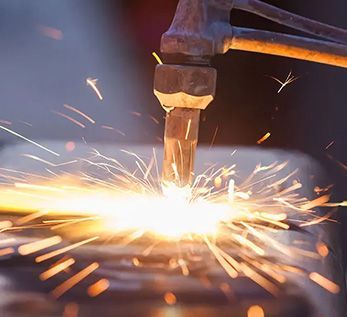
Welding and cutting
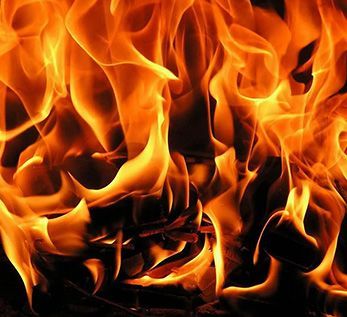
As an accelerant

Medical supplies for breathing
99.999% O2, Industrial Grade
| Specification | 99.999% |
| Hydrogen | ≤0.5 ppm |
| Argon | ≤2 ppm |
| Nitrogen | ≤5 ppm |
| Carbon Dioxide | ≤0.5 ppm |
| THC (as CH4) | ≤0.5 ppm |
| Moisture | ≤2 ppm |
*Other Grades and Purity Available on Asking
Package Information
| Cylinder Specifications | Contents | Pressure | ||
| Cylinder Capacity | Valve | Volume | bar | psig |
| 40L | QF-2 | 7 m3 | 150 | 2175 |
| 47L | QF-2 | 7 m3 | 150 | 2175 |
| 50L | QF-2 | 10 m3 | 200 | 2900 |
*Other Packages Available on Asking
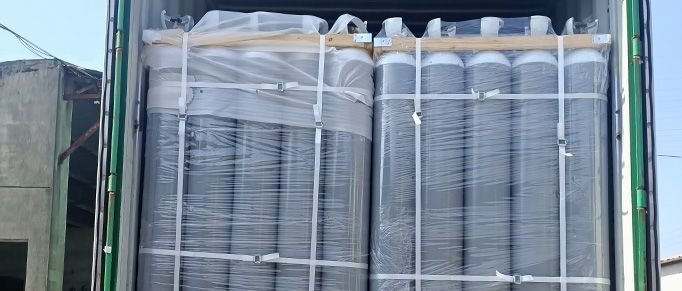
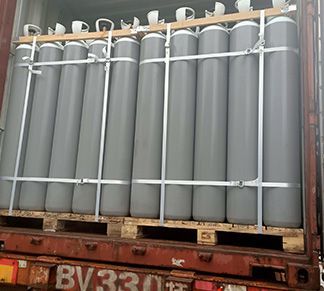
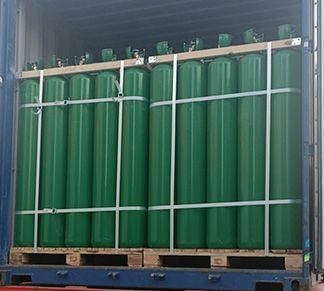
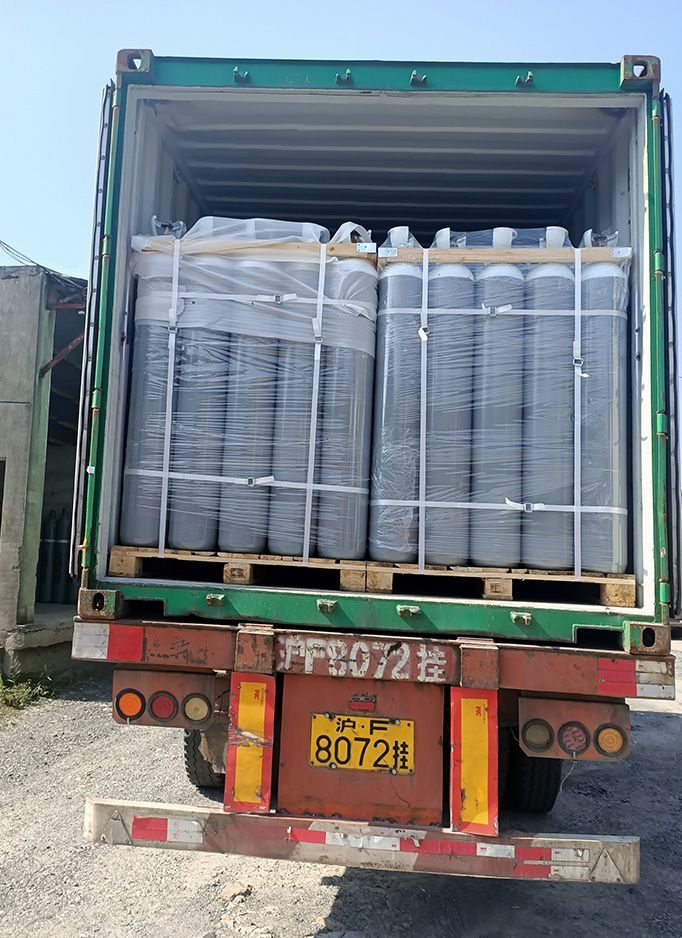
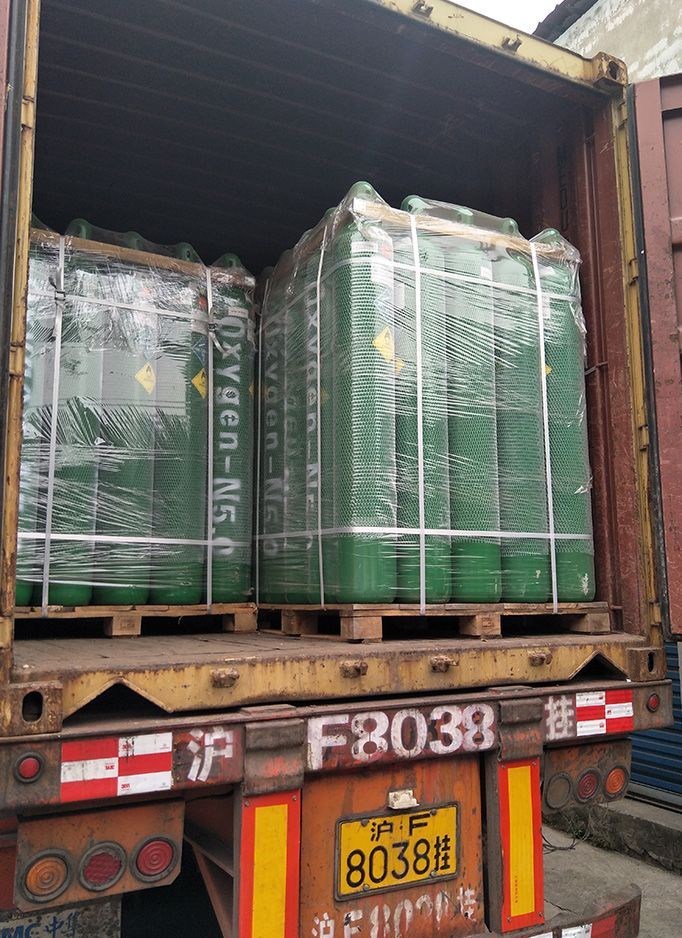
Loading Reference
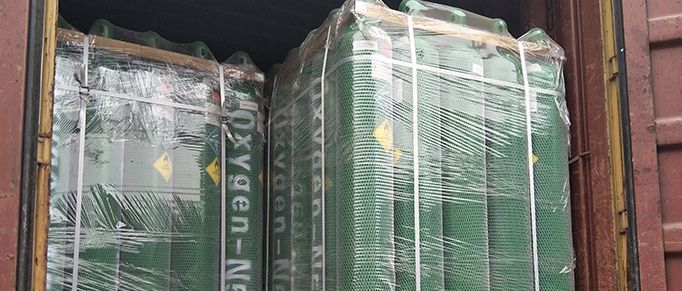
Advantanges
More than fifteen years on the market.
ISO certificate manufacturer & Stable raw material source.
On-line analysis system for gas quality control in every step, highly close to 100% pass rate.
Experienced DG International Shipping Team by sea & air.
Methyl Chloride, CH3CL Industrial Gas
Methyl Chloride is a colorless flammable toxic gas, belonging to the organic halide
View MoreHexafluoropropylene, C3F6 Industrial Gas
Hexafluoropropene is an organic compound that is a colorless, odorless, incombustible gas
View More