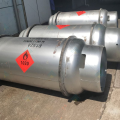
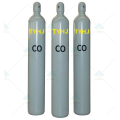
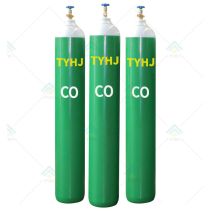
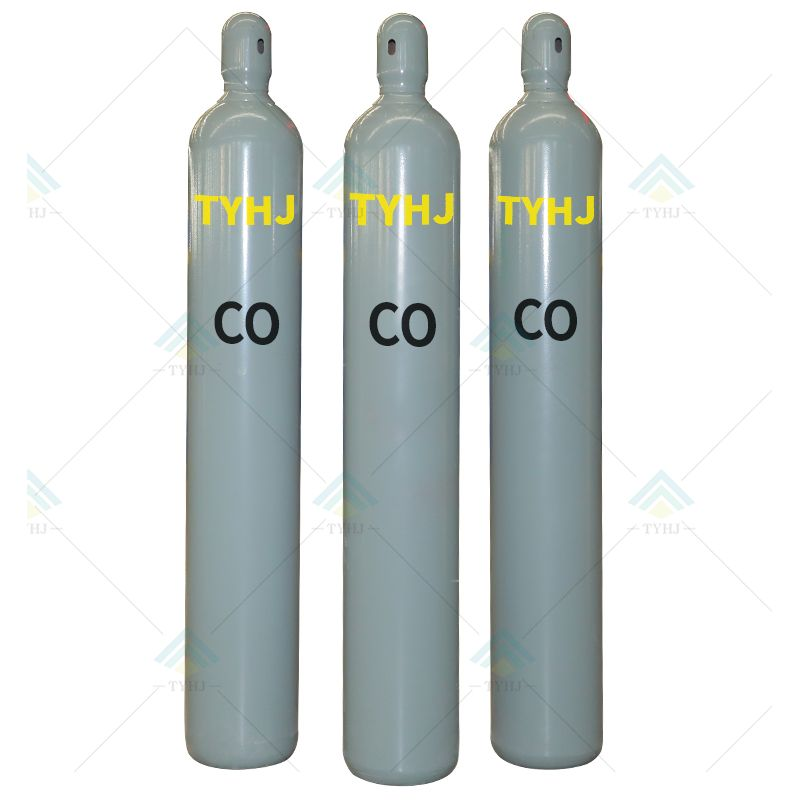
Carbon monoxide (CO) is widely recognized as a toxic gas, but in controlled laboratory environments it is an indispensable specialty gas used in chemical synthesis, analytical instrumentation, catalyst research, environmental testing, and materials science. To ensure accurate experimental results and safe operation, laboratories require high purity CO specialty gas with tightly controlled impurity levels and reliable quality.
Choosing the right CO specialty gas involves much more than selecting a purity grade. Researchers must consider the intended application, gas specifications, cylinder packaging, safety requirements, certification, and supplier capabilities. This guide explains the key factors to help laboratories make informed purchasing decisions.
High purity CO specialty gas is carbon monoxide that has been purified and analyzed to meet strict quality standards for scientific research, calibration, and industrial laboratory applications. Compared with industrial-grade carbon monoxide, specialty gas offers significantly lower concentrations of contaminants such as moisture, oxygen, hydrocarbons, carbon dioxide, and sulfur compounds.
Typical purity grades include:
99.9% CO
99.99% CO
99.995% CO
99.999% CO (5N)
99.9999% CO (6N)
The appropriate purity depends on the sensitivity of the laboratory process and analytical equipment.
Laboratory experiments often require precise control over reaction conditions and accurate measurement of trace compounds. Even extremely small amounts of impurities can lead to:
Inaccurate analytical results
Instrument contamination
Catalyst poisoning
Reduced experimental reproducibility
Lower product yields
Equipment damage
Using high purity CO minimizes these risks and ensures consistent performance across experiments.
Carbon monoxide serves as an important reactant in numerous laboratory-scale chemical reactions, including:
Carbonylation reactions
Hydroformylation
Organometallic chemistry
Pharmaceutical intermediate synthesis
Fine chemical development
High purity gas helps maintain reaction selectivity and minimizes unwanted side reactions.
CO is frequently used to evaluate catalyst activity and surface properties.
Applications include:
CO adsorption studies
Catalyst screening
Fischer-Tropsch research
Hydrogenation catalyst testing
Automotive catalyst development
Trace impurities may poison catalyst surfaces, making ultra-high purity gas essential for reliable data.
Many laboratories use carbon monoxide as:
Calibration gas
Standard gas mixture component
Detector testing gas
Instrument performance verification
Stable composition ensures consistent analytical accuracy.
Environmental laboratories analyze carbon monoxide concentrations for:
Air quality monitoring
Vehicle emission testing
Industrial exhaust analysis
Combustion research
Certified calibration gases are required to meet regulatory standards.
Researchers use CO during:
Thin-film deposition
Surface chemistry studies
Nanomaterial synthesis
Semiconductor research
Metal processing experiments
Controlled gas purity contributes to repeatable experimental conditions.
The first consideration is matching the purity level to the intended application.
| Application | Recommended Purity |
|---|---|
| General laboratory use | 99.9%–99.99% |
| Chemical synthesis | 99.99%–99.995% |
| Catalyst research | 99.995%–99.999% |
| Semiconductor research | 99.999% or higher |
| Instrument calibration | Certified gas mixtures with specified accuracy |
| Trace analytical testing | 99.999%–99.9999% |
Using a higher purity grade than necessary may increase costs without providing additional benefits, while insufficient purity can compromise experimental results.
Purity alone does not provide the complete picture. Review the detailed impurity analysis supplied by the manufacturer.
Key impurities include:
Oxygen (O₂)
Moisture (H₂O)
Carbon dioxide (CO₂)
Nitrogen (N₂)
Hydrogen (H₂)
Hydrocarbons
Sulfur compounds
Metal contaminants
For sensitive analytical work, even parts-per-million (ppm) or parts-per-billion (ppb) levels can influence outcomes.
Laboratories have different consumption rates, so selecting the right cylinder size helps improve efficiency and reduce waste.
Common options include:
Small portable cylinders
Standard high-pressure cylinders
Lecture bottles for research
Customized cylinder sizes
Bulk supply for large research facilities
Cylinder cleanliness is equally important. High-purity gases should be supplied in specially prepared cylinders with clean, corrosion-resistant valves to minimize contamination.
Reputable suppliers provide comprehensive documentation for each gas batch, including:
Certificate of Analysis (COA)
Gas composition report
Traceability records
Batch number
Production date
Quality inspection reports
For calibration gases, certification should comply with applicable international standards to ensure measurement accuracy.
The consistency of gas quality is just as important as the nominal purity.
Choose a supplier with:
ISO-certified manufacturing systems
Advanced gas purification technology
High-precision analytical instruments
Stable production capabilities
Reliable delivery schedules
Technical support for laboratory users
A dependable supplier can help maintain continuity in long-term research projects and reduce the risk of batch-to-batch variability.
Carbon monoxide is colorless, odorless, flammable under certain conditions, and highly toxic. Laboratories must implement strict safety measures when handling CO specialty gas.
Recommended practices include:
Install fixed or portable CO gas detectors.
Store cylinders in well-ventilated areas away from heat sources.
Secure cylinders to prevent tipping.
Use compatible regulators and fittings designed for CO service.
Inspect gas lines regularly for leaks.
Train laboratory personnel in emergency response procedures.
Wear appropriate personal protective equipment (PPE) where required.
Follow local regulations and safety guidelines for compressed gas storage and handling.
Proper ventilation and continuous monitoring are essential to prevent hazardous CO accumulation.
| Feature | High Purity CO Specialty Gas | Industrial Grade CO |
|---|---|---|
| Purity | Up to 99.9999% | Lower purity |
| Impurity Control | Strictly controlled | Limited control |
| Quality Documentation | Certificate of Analysis available | Often limited |
| Batch Consistency | Excellent | Variable |
| Laboratory Suitability | Ideal | Generally unsuitable for precision work |
| Analytical Accuracy | High | May introduce measurement errors |
While industrial-grade CO may be suitable for some manufacturing processes, laboratories conducting research, calibration, or analytical testing should use specialty-grade gas to ensure reliable and reproducible results.
Before placing an order, laboratory managers and procurement teams should consider the following:
What purity level is required for the intended application?
Are impurity limits suitable for the experiment or instrument?
Is a Certificate of Analysis provided with each batch?
What cylinder sizes and valve configurations are available?
Can the supplier provide custom gas mixtures if needed?
Does the supplier offer consistent quality and technical support?
Are delivery times and inventory management reliable?
These questions help ensure the selected gas meets both technical and operational requirements.
As research becomes more advanced, laboratories are placing greater emphasis on gas quality and supply reliability. Current trends include:
Increased demand for 6N (99.9999%) ultra-high purity gases
Greater use of certified calibration gas mixtures
Enhanced digital traceability for gas batches
Improved cylinder preparation and cleaning technologies
Sustainable cylinder recycling and refill programs
Integrated gas management systems for laboratories
These developments support more accurate research, improved safety, and better operational efficiency.
Selecting the right high purity CO specialty gas is essential for achieving accurate laboratory results, protecting sensitive instruments, and maintaining safe working conditions. Factors such as purity grade, impurity specifications, cylinder quality, certification, and supplier reliability all play a crucial role in ensuring consistent experimental performance.
Whether your laboratory focuses on chemical synthesis, catalyst development, analytical testing, environmental monitoring, or materials research, investing in high-quality CO specialty gas from a trusted supplier can improve data reliability, reduce contamination risks, and support long-term research success. As laboratory technologies continue to advance, the demand for ultra-high purity specialty gases will only continue to grow, making careful supplier selection more important than ever.
Search News