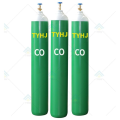
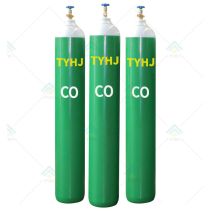
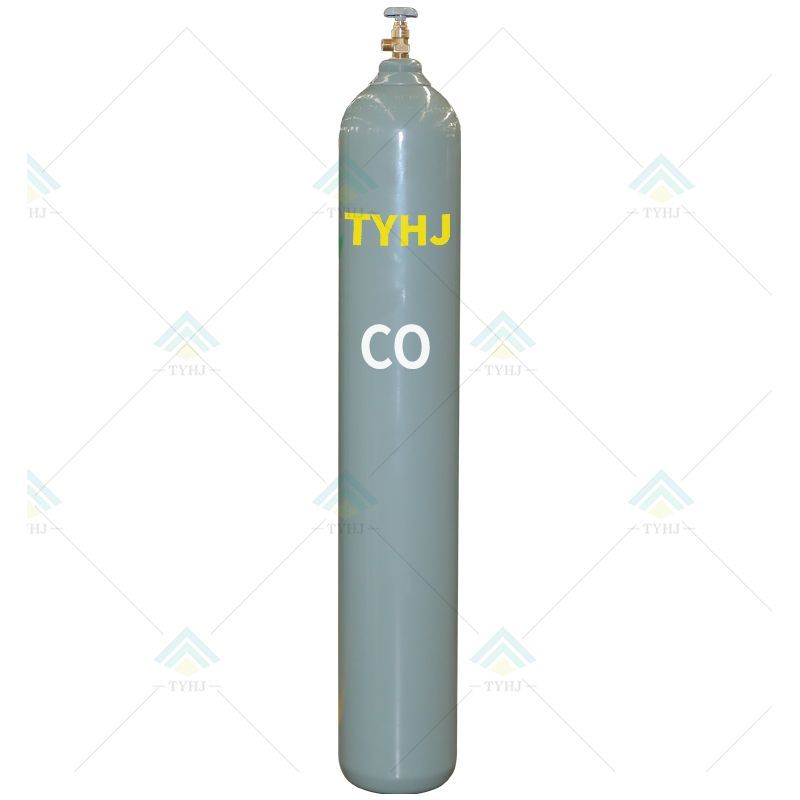
CO specialty gas is widely used across industries that require precise gas composition, high purity, and stable performance. Unlike standard industrial carbon monoxide gas, specialty-grade CO is manufactured under strict quality controls to meet demanding requirements in calibration, research, manufacturing, and process control applications.
As industries continue to adopt advanced automation, precision instruments, and stricter environmental standards, the demand for CO specialty gas is steadily increasing worldwide. From semiconductor fabrication plants to environmental laboratories, many sectors rely on specialty carbon monoxide gas to ensure operational accuracy, product quality, and safety compliance.
This article explores the most common industries that use CO specialty gas, how it is applied, and why purity and stability are critical in industrial operations.
CO specialty gas refers to high-purity carbon monoxide gas or precisely blended gas mixtures designed for specialized industrial, scientific, and calibration applications.
It is commonly available in:
Pure carbon monoxide
CO mixed with nitrogen
CO mixed with argon
CO calibration gas blends
Custom gas mixtures
Compared with standard industrial gas, CO specialty gas offers:
Tight concentration tolerances
High purity levels
Long-term stability
Traceable quality certification
Low impurity content
These features make it suitable for industries where accurate gas composition directly affects equipment performance and testing reliability.
1. Environmental Monitoring Industry
Environmental monitoring is one of the largest application sectors for CO specialty gas.
Government agencies, environmental laboratories, and industrial facilities use carbon monoxide calibration gas to ensure accurate air quality measurements.
Common Applications
Ambient air monitoring stations
Industrial emission testing
Indoor air quality monitoring
Stack gas analysis
Pollution control systems
Why CO Specialty Gas Matters
Accurate carbon monoxide readings are essential for:
Regulatory compliance
Environmental reporting
Workplace safety
Public health protection
Calibration gases with certified concentration levels help monitoring instruments maintain reliable measurement accuracy.
2. Semiconductor Manufacturing Industry
The semiconductor industry requires extremely high-purity gases during wafer fabrication and electronic component manufacturing.
CO specialty gas is used in:
Thin film deposition
Chemical vapor deposition processes
Electronic material processing
Controlled atmosphere systems
Industry Requirements
Semiconductor manufacturing demands:
Ultra-high purity
Minimal moisture contamination
Stable gas composition
Consistent process performance
Even microscopic impurities can affect chip quality and reduce production yield.
3. Petrochemical and Chemical Industry
Petrochemical facilities use CO specialty gas for chemical synthesis, process control, and catalyst research.
Typical Applications
Synthesis gas production
Methanol manufacturing
Catalyst testing
Reaction atmosphere control
Process gas monitoring
Benefits
Specialty-grade CO improves:
Reaction consistency
Production efficiency
Product quality
Process stability
Precise gas concentration control is especially important in chemical reactions involving carbon monoxide.
4. Automotive Industry
The automotive sector uses CO specialty gas extensively in emission testing and engine analysis.
Main Uses
Exhaust gas analyzer calibration
Vehicle emission testing
Combustion efficiency analysis
Engine development testing
Carbon monoxide is one of the key gases measured during vehicle emission inspections.
Why Accurate Calibration Is Important
Reliable calibration ensures:
Accurate emissions data
Compliance with environmental regulations
Improved engine tuning
Reduced testing errors
5. Scientific Research Laboratories
Research institutions and laboratories use CO specialty gas in analytical studies and experimental processes.
Laboratory Applications
Chemical reaction studies
Material science research
Gas sensor development
Instrument calibration
Controlled environment experiments
Researchers rely on stable and repeatable gas compositions for accurate experimental results.
6. Oil and Gas Industry
The oil and gas industry uses specialty gases for process monitoring, refinery operations, and analytical testing.
Common Applications
Refinery gas analysis
Pipeline monitoring
Process control systems
Gas chromatography calibration
Combustion monitoring
High-purity CO specialty gas helps maintain accurate measurements in demanding industrial environments.
7. Metal Processing and Heat Treatment Industry
Carbon monoxide plays an important role in controlled atmosphere heat treatment processes.
Applications Include
Metal annealing
Furnace atmosphere control
Sintering operations
Surface hardening processes
Advantages
CO specialty gas helps:
Control oxidation
Improve surface quality
Maintain furnace consistency
Optimize carbon transfer
Precise atmosphere control is essential for producing high-quality metal components.
8. Electronics Manufacturing Industry
Beyond semiconductors, other electronics manufacturers also use specialty gases in precision production processes.
Uses Include
Electronic component manufacturing
Sensor production
Advanced coating processes
Precision soldering environments
Stable gas purity helps improve manufacturing reliability and product consistency.
9. Calibration Gas Industry
Gas suppliers and calibration service providers use CO specialty gas to produce certified gas mixtures for industrial customers.
Calibration Applications
Gas detector calibration
Industrial analyzer verification
Safety monitoring systems
Laboratory instrument testing
Industries rely on certified calibration gases to maintain accurate instrumentation.
10. Medical and Pharmaceutical Industry
Some medical device and pharmaceutical manufacturing environments use specialty gases in controlled production and analytical applications.
Applications
Analytical instrument calibration
Controlled manufacturing environments
Laboratory testing systems
Research applications
Gas purity and traceability are critical in regulated industries.
High Purity Standards
Many industrial processes require ultra-low impurity levels to avoid contamination or inaccurate measurements.
Precise Concentration Accuracy
Certified gas mixtures ensure consistent calibration and analytical reliability.
Long-Term Stability
Stable gas composition supports repeatable performance over extended periods.
Regulatory Compliance
Industries operating under environmental or quality regulations require traceable and certified gas products.
Improved Operational Efficiency
Reliable specialty gas helps reduce:
Equipment downtime
Calibration errors
Production inconsistencies
Testing failures
Depending on the application, buyers may require:
99.9% purity
99.99% purity
99.999% purity
Ultra-high purity grades
Gas mixtures are often supplied in:
High-pressure cylinders
Portable calibration cylinders
Specialty gas cabinets
Bulk supply systems
Supplier Certification
Choose suppliers with:
ISO certification
Traceable quality systems
Gas analysis reports
Reliable packaging standards
Cylinder Quality
Proper cylinder materials and valve systems help maintain gas stability and safety.
Application Compatibility
Ensure the gas specification matches the equipment and process requirements.
Transportation and Storage
Specialty gases require careful handling to maintain purity and comply with safety regulations.
Global demand for CO specialty gas continues to grow due to:
Expansion of semiconductor manufacturing
Increasing environmental regulations
Growth in industrial automation
Rising demand for precision testing
Development of advanced analytical technologies
Industries are also moving toward higher purity standards and customized specialty gas mixtures for specialized applications.
CO specialty gas is widely used across industries that require accurate gas composition, stable purity, and reliable process performance. Environmental monitoring, semiconductor manufacturing, petrochemical processing, automotive testing, scientific research, and metal treatment are among the most common sectors relying on specialty carbon monoxide gas.
As industrial technologies evolve and precision requirements become stricter, the importance of high-quality CO specialty gas continues to increase. Businesses that choose reliable specialty gas suppliers and appropriate gas specifications can improve operational efficiency, maintain compliance, and achieve more accurate industrial processes.

Search News