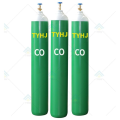
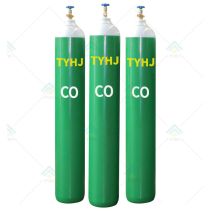
Carbon monoxide (CO) specialty gas plays a critical role in many industrial sectors that require precise gas composition, stable purity, and reliable performance. Unlike standard industrial gases, CO specialty gas is manufactured and tested under strict quality standards to ensure accurate concentration levels and consistent results in sensitive applications.
From semiconductor fabrication and environmental monitoring to petrochemical processing and laboratory calibration, CO specialty gas is widely used where accuracy and stability are essential. As industrial automation and precision manufacturing continue to grow, the demand for high-purity specialty gases is increasing across global markets.
This article explains what CO specialty gas is, its main industrial applications, advantages, purity requirements, storage considerations, and key factors buyers should evaluate before sourcing.
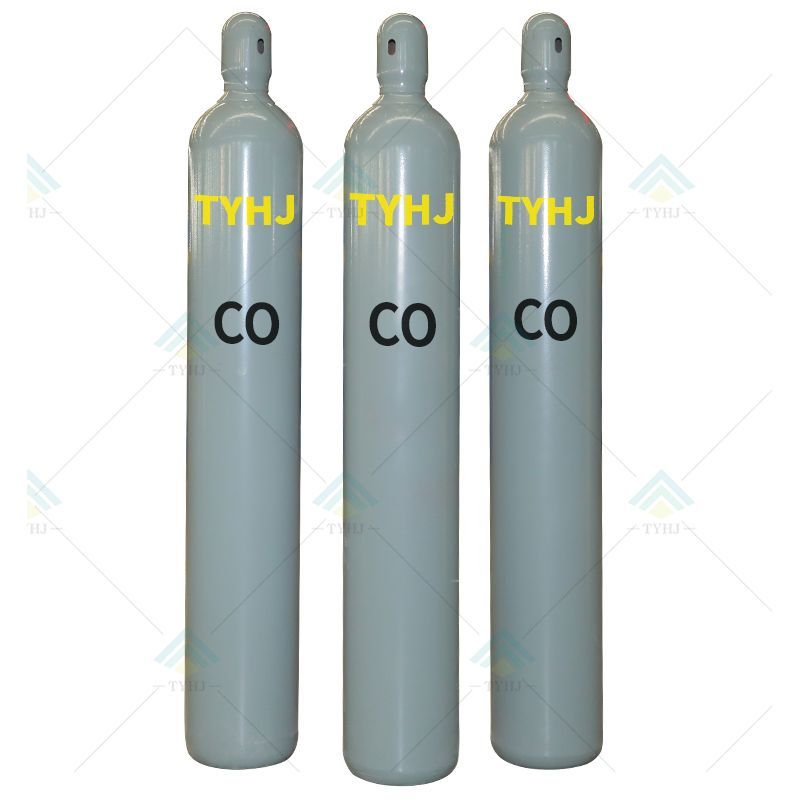
CO specialty gas refers to carbon monoxide gas produced with tightly controlled purity levels and concentration tolerances for professional and industrial use. It is commonly supplied in pure form or blended with other gases such as nitrogen, argon, helium, or carbon dioxide for calibration and process applications.
Compared with standard bulk carbon monoxide gas, specialty-grade CO offers:
High purity levels
Stable concentration accuracy
Low impurity content
Traceable manufacturing records
Reliable cylinder consistency
Long-term gas stability
These characteristics make CO specialty gas suitable for industries where even minor impurities can affect equipment performance, testing accuracy, or product quality.
1. Gas Calibration and Analytical Testing
One of the most common uses of CO specialty gas is calibration gas preparation for analytical instruments.
Industries rely on gas analyzers to monitor:
Air quality
Industrial emissions
Combustion systems
Chemical processes
Laboratory measurements
CO specialty gas helps calibrate:
Gas detectors
Emission analyzers
Environmental monitoring systems
Infrared analyzers
Process control instruments
Accurate calibration ensures reliable readings and compliance with environmental and safety regulations.
Typical Industries
Environmental monitoring
Oil and gas
Chemical plants
Automotive testing facilities
Research laboratories
2. Semiconductor Manufacturing
The semiconductor industry requires ultra-high purity gases to avoid contamination during wafer fabrication processes.
CO specialty gas is used in:
Thin film deposition
Process atmosphere control
Electronic material manufacturing
Precision chemical reactions
Even trace contaminants can damage semiconductor components, making gas purity extremely important.
Why High Purity Matters
Reduces defect rates
Improves wafer yield
Enhances process consistency
Prevents contamination
Ultra-high purity CO specialty gas often exceeds 99.999% purity for semiconductor applications.
3. Petrochemical and Chemical Processing
In petrochemical production, CO specialty gas participates in controlled chemical reactions and process monitoring.
Applications include:
Synthesis gas production
Methanol manufacturing
Chemical feedstock preparation
Catalyst testing
Reaction atmosphere control
Stable gas concentration helps maintain:
Reaction efficiency
Product consistency
Operational safety
Process optimization
4. Environmental Monitoring Systems
Environmental agencies and industrial facilities use CO specialty gas to calibrate air pollution monitoring equipment.
Carbon monoxide is one of the major regulated air pollutants in many countries. Accurate monitoring is essential for:
Regulatory compliance
Workplace safety
Emission reporting
Environmental protection
CO calibration gases help ensure reliable measurements in:
Ambient air monitoring stations
Vehicle emission testing systems
Industrial exhaust monitoring
Indoor air quality systems
5. Automotive Emission Testing
Modern automotive testing systems rely on specialty gases for engine and exhaust analysis.
CO specialty gas is used to:
Calibrate emission analyzers
Verify exhaust measurement accuracy
Test engine combustion efficiency
Support regulatory certification
Accurate CO measurement is critical because carbon monoxide is a key indicator of incomplete combustion.
6. Metal Processing and Heat Treatment
Certain industrial furnaces and heat treatment operations use controlled gas atmospheres containing carbon monoxide.
Applications include:
Metal annealing
Sintering processes
Surface hardening
Controlled atmosphere furnaces
CO specialty gas helps regulate:
Carbon transfer
Oxidation control
Furnace atmosphere balance
Product surface quality
7. Scientific Research Laboratories
Research institutions use CO specialty gas in analytical experiments and controlled laboratory environments.
Common research uses include:
Chemical reaction studies
Gas sensor development
Material science research
Environmental studies
Instrument calibration
Researchers require highly stable gas mixtures for repeatable experimental results.
High Accuracy
Specialty gas mixtures are manufactured with precise concentration control, which is essential for calibration and analytical applications.
Excellent Stability
Stable gas composition helps maintain long-term performance and reduces calibration drift.
Low Impurity Levels
Advanced purification processes minimize moisture, hydrocarbons, oxygen, and other contaminants.
Traceability
Many suppliers provide full traceability and certification for quality assurance and regulatory compliance.
Improved Process Reliability
Consistent gas quality improves manufacturing efficiency and reduces unexpected process variations.
Different industries require different purity grades depending on sensitivity and application complexity.
Typical purity levels include:
99.9%
99.99%
99.999%
Ultra-high purity grades
Higher purity is usually required for:
Semiconductor manufacturing
Precision analytical instruments
Scientific research
Electronics production
1. Purity Requirements
Always match gas purity with the application needs. Over-specifying purity may increase costs unnecessarily, while insufficient purity can damage equipment or reduce accuracy.
2. Cylinder Specifications
Evaluate:
Cylinder size
Material compatibility
Valve type
Pressure rating
Proper cylinder selection improves safety and operational efficiency.
3. Supplier Quality Control
Reliable suppliers should provide:
Gas certificates
Traceable production records
Concentration verification
Stability testing data
4. Packaging and Transportation
Specialty gases require proper handling and transportation procedures to maintain safety and gas integrity.
5. Regulatory Compliance
Ensure the supplier follows:
ISO standards
Safety regulations
Transportation guidelines
Industry certification requirements
Safety Considerations for CO Specialty Gas
Carbon monoxide is toxic and requires careful handling.
Important safety practices include:
Store cylinders in ventilated areas
Use leak detection systems
Avoid exposure to high concentrations
Secure cylinders properly
Train operators on handling procedures
Follow local safety regulations
Facilities using CO specialty gas should also implement emergency response procedures and monitoring systems.
As industries move toward higher automation and precision manufacturing, demand for specialty gases continues to increase.
Emerging trends include:
Higher purity requirements
Smart gas monitoring systems
Advanced calibration technologies
Semiconductor industry expansion
Stricter environmental regulations
Customized specialty gas mixtures
Manufacturers are also investing in improved gas purification and cylinder treatment technologies to meet evolving industrial standards.
CO specialty gas is an essential component in many industrial processes that demand precision, purity, and reliability. From calibration systems and semiconductor manufacturing to environmental monitoring and petrochemical production, its applications continue to expand across global industries.
Choosing the right CO specialty gas involves evaluating purity levels, concentration stability, supplier quality, safety standards, and application compatibility. Businesses that invest in high-quality specialty gases can improve operational efficiency, maintain accurate measurements, and support long-term production reliability.
As industrial technologies advance, CO specialty gas will remain a key resource for industries requiring consistent performance and high-precision process control.

Search News