D2 Specialty Gas, also known as deuterium gas (D₂), is widely used in industries such as semiconductor manufacturing, spectroscopy, scientific research, and advanced materials development. Because D2 gas is a high-purity specialty gas stored under pressure, proper storage practices are essential to ensure workplace safety, gas purity, and regulatory compliance.
Industrial facilities that handle D2 Specialty Gas cylinders must follow strict storage guidelines to minimize risks such as leakage, contamination, or cylinder damage. This article explains the best practices for safely storing D2 Specialty Gas in industrial environments.
Before discussing storage requirements, it is important to understand the characteristics of D2 Specialty Gas. Deuterium is a stable isotope of hydrogen and shares many similar physical properties.
Key characteristics include:
Colorless and odorless gas
Highly flammable under certain conditions
Stored under high pressure in specialized cylinders
Extremely sensitive to contamination in high-purity applications
Because many industries use ultra-high purity D2 Specialty Gas, maintaining clean storage conditions is critical to prevent impurities that could affect sensitive processes or analytical instruments.
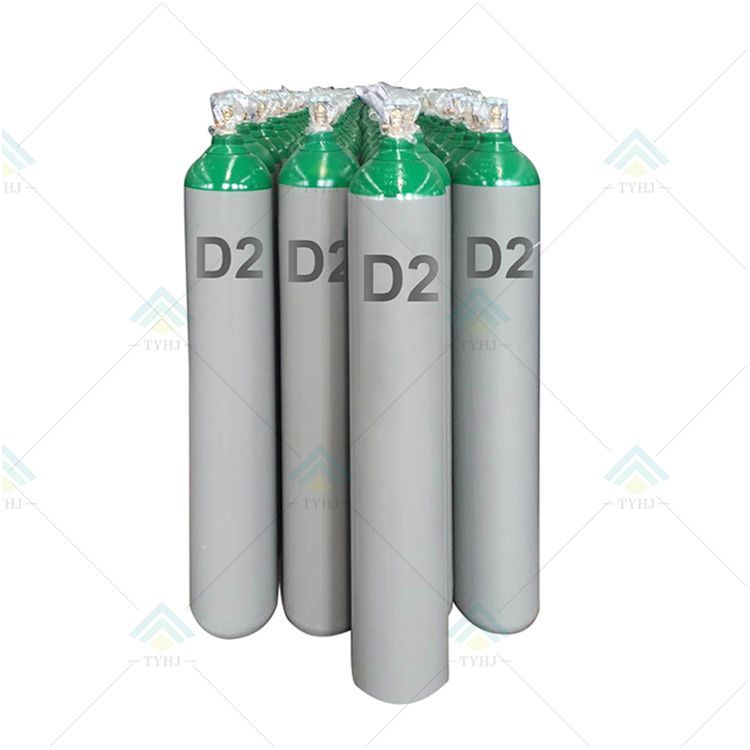
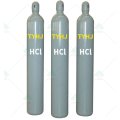
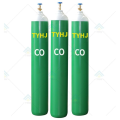
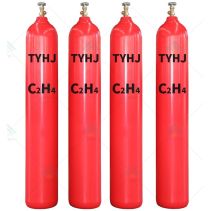
The first step in safe storage is ensuring that D2 Specialty Gas is stored in certified high-pressure cylinders. These cylinders are specifically designed to withstand internal pressure and prevent leakage.
Important cylinder considerations include:
Cylinders should meet international safety standards such as ISO or DOT.
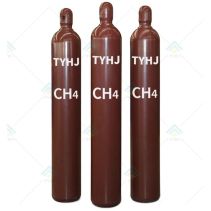
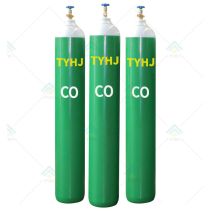
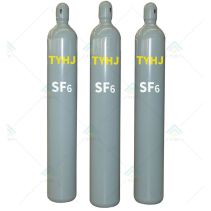
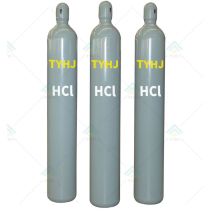
Each cylinder must be clearly labeled with the gas type, purity level, and safety information.
Cylinders should be equipped with protective valve caps to prevent accidental damage during handling.
Regular inspection of gas cylinders helps identify early signs of wear, corrosion, or valve damage that could compromise safety.
The storage environment plays a crucial role in maintaining the safety and quality of D2 Specialty Gas.
Industrial facilities should follow these environmental guidelines:
Store cylinders in a cool, dry, and well-ventilated area
Keep cylinders away from direct sunlight or heat sources
Maintain storage temperatures within recommended limits
Avoid areas with high humidity or corrosive chemicals
Good ventilation is especially important because it helps prevent the accumulation of gas in the event of a leak.
Gas cylinders containing D2 Specialty Gas should always be stored in an upright position and secured with chains, straps, or cylinder racks.
Proper cylinder positioning helps:
Prevent accidental tipping or falling
Protect valves from mechanical damage
Maintain stable gas pressure inside the cylinder
Facilities that store multiple cylinders should use dedicated gas storage racks to keep cylinders organized and secure.
Although deuterium behaves similarly to hydrogen, it is important to store D2 Specialty Gas cylinders away from incompatible materials.
Storage areas should keep D2 cylinders separated from:
Oxidizing gases
Flammable chemicals
Corrosive substances
Open flames or ignition sources
This separation reduces the risk of hazardous reactions and improves overall facility safety.
Industrial facilities using D2 Specialty Gas should install gas detection systems to monitor potential leaks. These systems help detect abnormal gas concentrations and trigger safety alerts.
Leak detection systems can:
Provide early warning of gas leaks
Protect workers and equipment
Reduce potential fire or explosion risks
Regular maintenance and calibration of detection equipment are necessary to ensure accurate monitoring.
Even with proper storage systems in place, employee training is essential for maintaining safety. Staff responsible for handling D2 Specialty Gas cylinders should understand correct operating procedures.
Training should cover:
Proper cylinder handling techniques
Safe transportation within the facility
Emergency response procedures
Leak identification and reporting
Well-trained personnel significantly reduce the risk of accidents during gas storage and handling.
Many countries have strict regulations governing the storage of specialty gases. Industrial facilities must comply with applicable safety standards and guidelines.
These may include:
Occupational safety regulations
Hazardous material storage guidelines
Fire safety codes
Gas cylinder transportation standards
Compliance ensures that facilities maintain safe working environments and avoid regulatory penalties.
Routine inspections help maintain the long-term safety of D2 Specialty Gas storage systems. Facilities should implement regular inspection schedules to evaluate:
Cylinder integrity
Valve condition
Storage rack stability
Leak detection systems
Documented inspection procedures ensure that potential issues are identified and resolved before they become safety risks.
Proper storage of D2 Specialty Gas in industrial facilities is essential for maintaining workplace safety, protecting equipment, and preserving gas purity. By using certified cylinders, maintaining controlled storage environments, securing cylinders properly, and following strict safety procedures, businesses can significantly reduce potential risks.
As industries such as semiconductors, analytical laboratories, and advanced research continue to rely on high-purity specialty gases, implementing professional storage practices will remain a critical part of safe and efficient operations. Organizations that prioritize safety and compliance will benefit from reliable gas supply, improved operational efficiency, and long-term risk reduction.

Search News